Monday, December 3, 2012

Seasons of Crafts - my first craft fair visit!

Outside entrance to craft fair
Recently, I attended the Seasons of Crafts event, a relatively large craft fair held at the Lancaster Event Center.  My classmates, Tom and Devon, joined me in order to get some good first-hand observations in the crafting community.  It was the first craft fair I had ever attended, and surprisingly enough, I actually rather enjoyed myself!  Now I don't want to sound rude - but I never expected to find much of interest to me in a place like that.  I was pleasantly surprised to find that there was something for everyone!  Some of my preconceived notions were true to life, but other expectations I had were challenged, and thrown out the window altogether.  The event was free (well, at least there was no entrance fee), however I did end up buying a few very cool solid wood wine bottle stoppers.
Natural Interior Design rustic candle-holders/centerpieces
My new wine bottle stoppers!
The stand selling these beautiful little gems was run by a younger gal, perhaps mid 20s (one of the youngest people I saw working a stand that day).  There was a wide variety of different items for sale on her table - probably the most eclectic table in the entire facility, certainly not limited to the wooden stoppers; there were also scented homemade soaps, and a neat arrangement of home decorations and candle-holders made from natural wood slices, pine-cones, and other rustic items.  The business card I picked up said "Natural Interior Design" - by Laurie Anderson - and included a web address to www.lawnscapeinc.com.  The girl mentioned that each of the assorted items was crafted by a different member of her family, which explained the huge variety.

The rest of the fair held a wide variety of items, from baby blankets, to Christmas themed decorations, to jewelry, ceramics, stained glass, and even a stand dedicated to metal-working goods.  I was impressed with the variety and aside from a couple items here and there, I was also very impressed with the quality of craftsmanship and level of originality in many of the goods I looked at.  For this reason, I felt very awkward taking photos of everything...crafting can be a great expression of individuality for many people, and I didn't want any of the vendors to fear that I was trying to photograph their goods in order to steal their ideas - a definite concern for many crafters who are looking to maintain the unique quality of their work, amidst many others who only seek an easy way to make a quick profit.
Entrance to vendor area
Some vendors altered the type of items they were selling based on the particular holiday season
More holiday goodies...the bean bag snowmen were pretty neat!

Many of the vendors were selling similar items, such as fleece blankets and table runners
Bonfire Glass was one of the pricier stands, with many items priced at hundreds of dollars...most definitely more of a business endeavor for them, rather than a simple hobby

These wine/liquor bottle lamps were so cool! My husband is a bartender...might have to make a few of these for our bar at home!
I've never seen this done before; The artisan made quilted wall hangings that made it appear as if you were looking out a window at a beautiful landscape (often using Thomas Kinkade paintings, printed on fabric, as the background scenery). Another neat idea!

A few stands had homemade soaps for sale.  This particular one used a variety of natural essential oils and extracts in their soaps, each with different scents and health benefits.  The tea-tree oil ones were my favorite!
I almost bought this ceramic snail.  Thought it was so cute!

Some interesting layered paper wall-hangings in frames and shadow-boxes
Where else can you buy cupcakes and natural stone jewelry in the same place?

More curious visitors - we got there bright and early, so I'm sure they got more of a crowd towards the afternoon

As you can see from many of the photos, my original image of craft-fairs being predominantly run by older women, and visited by older women, held true.  There were very few younger people there, and not very many men either, aside from a few wood-workers who were certainly well into retirement.

One of the few stands with a male vendor
However, I was expecting more sales-pitches and the like, but was very happy to find that most of the people there were very laid-back and were just as happy small-talking as they were making sales.  There were a couple sales-oriented individuals, but they were also the ones that seemed like they were running more of a professional business, with fancier signs and displays; some even had their own credit card machines!

Overall we had a nice, relaxing time, got some great inspiration, and a couple of us even returned home with some neat items! I might just have to visit a few more craft fairs in the future.  Most do not seem to charge an entrance fee, so what have you got to lose? Go check one out! You never know what kinds of interesting things you might find!

Profiting on a Hobby


Before attending the craft fair last Sunday, I assumed craft expos were not the best places to find the most youthful people; I wasn’t proven wrong. While most of the booths were occupied by older people, there were several younger people that were selling as well. I noticed that the younger crafters had more elaborate booths that would seem more capable of drawing a crowd. The booths occupied by older crafter however, were usually less showy and seemed less interested in appealing to customers. It seemed that the younger people were more interested in making a career out of crafting, while the older crafters were simply sharing their hobby with others while simultaneously making a little extra money.

After speaking with my grandmother over the phone about her crafting days, she revealed to me that she never really attended craft fairs to make money. She mentioned that between the cost of supplies and venue fees it was difficult to make a significant profit off of a few craft sales. She enjoyed going to craft fairs to showcase her work and interact with people who might share the same interests. While craft fairs do resemble a traditional marketplace setting in which merchants sell goods, for some crafters, craft fairs are just a means of sharing their creative ideas with other like-minded people.

For the sake of convenience?


I have come to realize that many of my closest friends and relatives actively participate in the local crafting community and I had absolutely NO IDEA about many of them until just recently.  For example, one of my dearest friends, Alex Daly, waitresses as a primary source of income, but I have discovered that she also makes and sells a variety of handmade goods in her free time.  I have known Alex for a few years now, and I knew she dabbled in a variety of arts.  She enjoys making jewelry, specifically hair accessories, typically utilizing a variety of feathers and fabrics to create vivid textural intricacies.  I even enlisted her help this past summer, with creating a unique hair accessory to compliment my personality on my wedding day.  It was beautiful, with rich, gold and chocolate colored pheasant feathers and naturalistic white orchid blossoms.  It elegantly mirrored the hand-made feather and orchid bouquet I had made, and was the perfect final touch to my ensemble.  It was the very last item I adorned myself with before walking down the aisle; everything felt complete, and I was absolutely struck by the fact that such a small item could make such a huge impact on how I felt that day.  Many people take crafting (and those who share this hobby) for granted.  I was no different, until that one special item triggered some deep emotion in me.  I could not thank Alex enough for the way I felt about myself when I pinned that beautiful piece of art into my hair. 
It seems awfully silly to care so much about something like that, but I still can’t explain everything it meant to me…certainly more personal than buying a mass-produced, unoriginal piece of jewelry from some big-chain bridal store.  To me, it was sentimental, charming, and absolutely perfect.  Some seek crafting as an outlet for their creativity, or even just a quick way to make some extra money, but others see it as an opportunity to create something truly meaningful to someone else.  The items these people create may range from simple to extraordinarily complex, but the impact they may have on someone is certainly not something that can be replicated in a factory by machine arms and computer programs, which is a direction we seem to be headed in for the sake of convenience and profit.

I think it's about time to make crafting popular again, stop considering it a romantic notion and put our hands and imaginations to work!  Humans have the most complex skill-sets and thought-processes, and the widest range of emotions of any creature on the planet.  We should show our appreciation and pride, and use those aspects of ourselves to embrace our individuality, strengthen our community, and preserve our culture - an opportunity limited to humans - something that sets us apart - should not be wasted for sheer convenience.  I've got to say...lately I've been feeling very motivated and even excited to start a crafting venture of my own!  I would love the opportunity to make someone feel as good as my dear friend, Alex, made me feel!  I encourage everyone else to do the same! :)

Evolution of Crafting in a 1st World Economy


When I originally began this project, seeking to immerse myself in the crafting community, I immediately thought of my mother, quilting in her spare time, sewing clothing, and decorating festive holiday sweatshirts with craft paint and tiny battery-powered lights.  I thought of my days as a young Girl Scout, making crafts in order to gain another badge on my vest.  I thought of crafting as nothing more than a hobby or leisure activity, as many people in modern times tend to do.  Crafting, though, used to mean much more to humans than it does to our 1st world society now.

The origins of crafting closely coincided with the origins of modern human civilization.  The need for tools, clothing, and other artifacts necessary for survival required the development of a varied set of skills needed to create these necessities.  Without tools, it would be much more difficult to hunt for food and resources.  Likewise, without clothing, humans would more quickly succumb to the elements.  The ability to craft was quite literally a matter of life and death.  Guilds arose during the 13th and 14th centuries, in which skilled artisans of a particular craft would group themselves.  Master artisans would take on young apprentices, often their own children, and train them in their craft so that they could work alongside each other, and someday even take over the business (Jovinelly).

Over time, however, more elaborate tools were made, and more complex methods and procedures used; towards the end of the 18th century, factories and machines replaced human hands in order to speed production.  The industrial revolution took away the need for skilled artisans and the craft community.(Beck)  Although mass production in factories drove costs down, many people eventually reverted to learning a craft and producing higher quality handmade goods again in an attempt to escape the poor working and living conditions associated with these new factories.  Now, crafting was not so much a matter of life and death, but learning a craft could certainly mark the difference between living a healthier life, and suffering for low wages on an assembly line.  Now, with minimum wage established, enforced age requirements, and strict regulations on labor and workplace conditions, crafting has again become a seemingly unnecessary activity for most people living in a 1st world country.

Most people who practice a particular craft either do it sparingly in their free time, while holding a regular job, or wait until retirement to have something to pass the time and possibly make supplemental income.  Very few people use their crafting abilities as a primary source of income anymore.  This becomes very apparent upon walking into a modern day craft fair.  Nearly all of the people participating in these fairs are over the age of 40-50 years, and most of those are past retirement, allowing them more leisure time to pursue and perfect their craft.  Many younger people, who craft, will never set foot in a physical craft fair; instead, younger generations have become much more reliant on the internet in order to sell their goods while also working or going to school.  The ease of internet sites such as Etsy, which caters specifically to hand-made and vintage items, allows people with otherwise busy schedules, the opportunity to sell their goods without the necessity of their physical presence.

This begs the question: will craft fairs become endangered or even extinct one day, at the hands of the internet?  Or is there something about these fairs that can’t be replicated online?  Many of these internet sites can provide the basic functionality of the craft fair, and many even try to create a similar shopping experience; but without hearing the ringing in your ears of a hand-made Christmas wreath, wrapped in ribbon, and adorned with round, silver bells, feeling the weight and texture of a beautiful hand-carved figurine, or smelling the sweet scents of homemade candles and soaps, the internet will never embody the full experience of a craft fair.


Sources:

Beck B., Roger (1999). World History: Patterns of Interaction. Evanston, Illinois: McDougal Littell.

Jovinelly, Joann; Netelkos, Jason (2006). The Crafts And Culture of a Medieval Guild. The Rosen Publishing Group. p. 8.

Sunday, December 2, 2012

Sunday at a Fair


            Witnessing any community at work can elicit a number of applicable responses. Is it a welcoming environment? Is it one that we have experienced before? Seasons of Crafts appears to be one of the larger and more well-known fairs in the city of Lincoln. Its reasonable size merits a large space at the Lancaster Events Center, though it had plenty of extra space for additional vendors. My group attended on late Sunday morning and early afternoon. Rather than entering with the mindset of conducting research in the field, I felt it was only natural to present myself and behave as a normal customer would when armed with only a single twenty-dollar bill. Of course, I was not searching for anything in particular, but perhaps something unique within my limited price range.
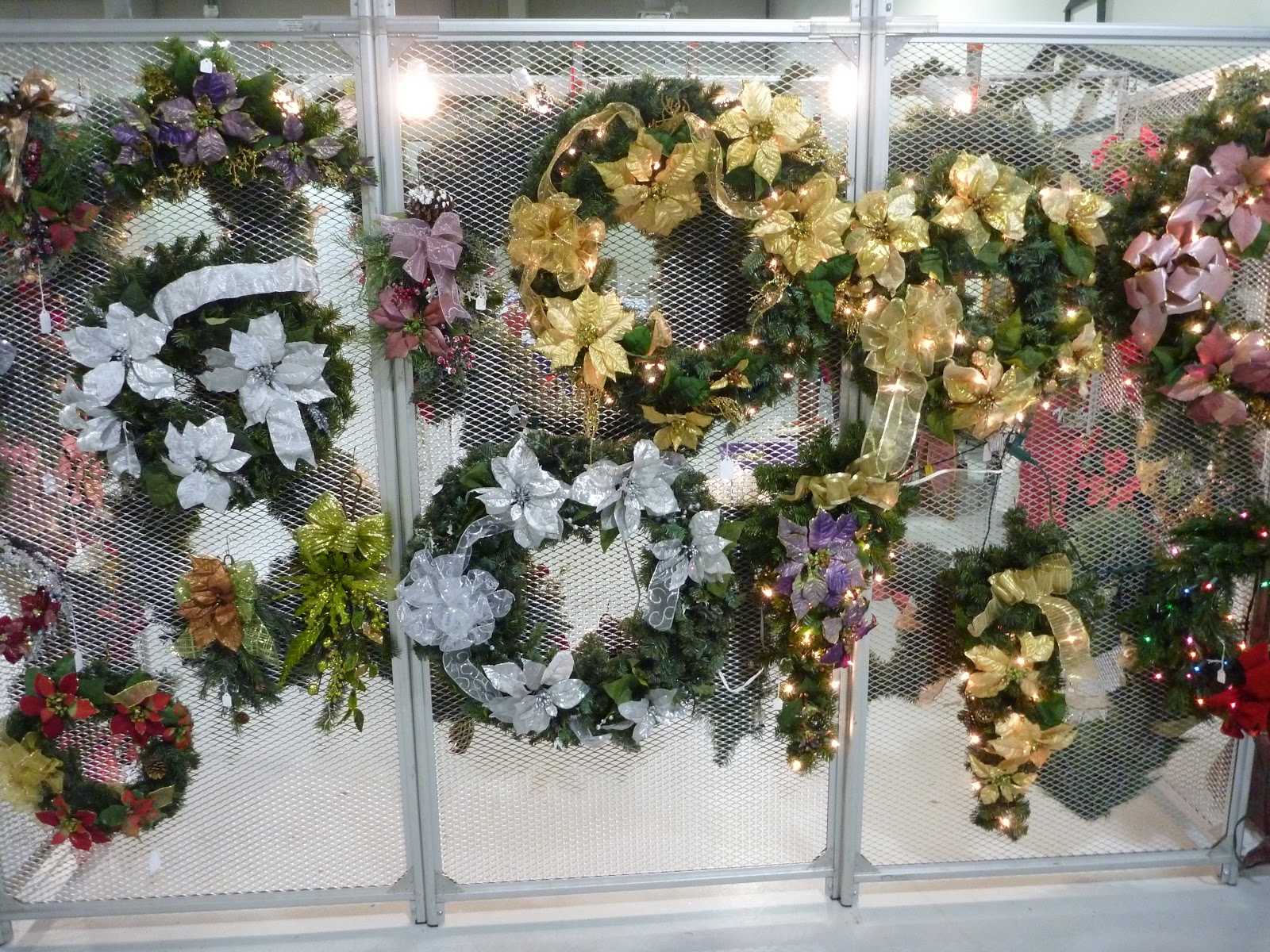
            Christmas wreaths of various sizes were the first things that greeted us upon entering the exhibit hall. It should be said that one must always expect to see a variety of holiday or seasonal items at any craft show and is possibly the one thing that I can personally guarantee. A craft fair in the spring might carry Easter-themed gifts, while a fall fair will boast Halloween or Thanksgiving-type décor. The first items that stood out of us were those of the Plum Creek Woodshop, which featured rocking horses and miniature chairs crafted with close attention to traditional details. Creations by Lambelet (who also owns an Etsy store) specializes in astrology and glow-in-the-dark-themed items, some of the most fascinating being lamps created out of empty wine and liquor bottles. With a studio located in South Bend, NE, Bonfire Glass exhibited a number of intricate and colorful pieces of stained glass art. One work highlighted a dark landscape created through the process of “plating,” or the layering of glass pieces on top of one another to create shadows and depth.
            Perhaps the most unexpected items came from one vendor who combined the different creative works of herself and her family to compose a large display with variety. Among the items was ManHands, which bills itself as “manly scented soap.” The most popular scents included beer, bacon, buttered popcorn, cash, cannabis, Democrat and Republican. The flyer for ManHands states that new scents are always being developed and that all products are “tested on dudes, not animals.” These items in particular are perfect examples of how craft fairs might strive to combat the common stereotype that their typical patrons are middle-aged and elderly women.
            I did make two small purchases at this fair. One was a silver painted ornament of a snowman cut out of sheet metal from ERI Metal Works of Adams, NE. The other was from Kubellen Krafts, a Lincoln-based vendor that specializes in body care items made from goat milk and stationary gifts. I am a fan of handmade greeting cards and I always make an effort to buy at least a couple for friends or family members during the holiday season. The messages they carry are the same as those of American Greetings or Hallmark, but they seem to take on a new significance when they don’t come off a factory press. This one is a beautiful blue and silver decorated card with a simple inscription in black cursive on the inside. The woman running this stand was using transactions to teach her granddaughter how to count change. I couldn’t help but smile as the young girl struggled to give change from a twenty out of a $5.35 purchase. She was still putting in the effort.
            This was an opportunity for the group to watch the craft fair community go about what they might consider to be their normal routines. There was plenty of extra space in the exhibit hall, allowing everyone to spread out. I noticed that there was little communication between vendors and this was a contributing factor. Seasons of Crafts had also run for two days last month in addition to the two this weekend. It was far from crowded but thankfully, everyone looked to be enjoying themselves. Going in, I wondered how this would compare to the smaller and considerably more packed fairs I assisted my grandmother with when I was younger. The environment is still very similar.

Saturday, December 1, 2012

Signal Mixing


            Returning again to the years before internet marketplaces began receiving recognition, we see that motives for craft fair participation are guaranteed to vary. Escalating costs and personal matters are what have lead Anneke and Joann to either decrease their involvement or stop it entirely, though other goods often overshadowed the craftwork with regard to profits. For those who focus solely on handmade items, participation could be considered a necessity and one that may not always be embraced with open arms. Engaging in social activity with other dealers and customers from a variety of backgrounds is not for everyone, something you might learn from anyone who has ever been employed in retail. The case I present here explores this side of fair participation, concentrated around the art of stained glass.
            One account socially organizes the stained glass profession by both traditional and non-traditional elements with function being a deciding factor. Traditionalism is based upon the techniques that have survived from medieval Europe with pieces resulting from collaboration between designers and craftsmen. Between the years of 1975 and 1982, Laurence A. Basirico worked with a small stained glass business that considered craft fairs to be a necessary evil and one that was proving to be beneficial through their continuation year after year, but only for a select crowd. “What this means for both the non-traditional professionals and novices is that there is an almost constant availability of reference others to which practitioners can compare their work, learn about new technologies and techniques, test out their ideas and products, get new ideas, and generally stay current” (346). When it had come time for Basirico and his colleagues to decide whether or not to join in, they chose to weigh both the positive and negative factors. As traditional artists, they were tasked with assembling a display that represented the best of their work. Doing this required sacrificing valuable work time for their current projects. Basirico openly admits that their participation was out of fear that they would lose track of what was going on in the local craft community.
A stained glass display at a Virginia Beach craft fair.
            Non-traditional stained glass artists are said to be more accustomed to such environments. Other than in how one presents their wares, craft fairs are typically designed to be flexible and diverse in their offerings. The professional backgrounds of the sellers could be just as mixed. In discussing this matter with his fellow glass workers, Basirico finds three patterns for fair participation. Some sellers might attend fairs for a certain period before simply stopping, some might add fairs to their regular work at their own studios, and others found fairs to be their one and only outlet for professional networking.
To an extent, these ideas all make sense. For the first group of sellers, craft fairs were only stepping stones toward much larger, more long-term business goals. This is the type of artist who strives to make a career out of what he specializes in. In a future entry, I will turn to a discussion with one such artist and with regard to Etsy and the concept of selling handmade works online.

Basirico, Laurence A. “The Art and Craft Fair: A New Institution in an Old Art World.”
            Qualitative Sociology, 9.4 (1986): 339-353. Print.

Monday, November 26, 2012

Then and Now


           Craft fairs serve as an outlet for reaching a wider range of potential buyers for the items one creates. While some of America’s largest gatherings will feature hundreds of artists and vendors, many of those in Nebraska are smaller events that are adjusted to fit a variety of spaces, indoors or outdoors. Before the internet simplified communication between potential sellers, information about upcoming events seemed to be conveyed through word-of-mouth and newspaper ads. The two individuals I’ve spoken are both longtime Omaha residents who began working at craft fairs in the mid-1980s and have witnessed significant changes since then.
            In addition to seeing fairs as a way of furthering her Avon business, my grandmother Anneke Eversen specializes in floral arrangements, primarily for decorative purposes. “I started on an invitation from a friend and I just thought it’d be a good idea. It was simple. You would set up your wares, then break down and haul everything back home at the end. Tables were usually ten to twenty dollars in the ‘80s. You could make a profit back then.” Since her husband’s death in 2010, Anneke has ceased most of her involvement in these events. She credits a lack of assistance and the rising costs of attendance as major factors in this decision.
Anneke Eversen and her floral arrangements in 1988
            A fellow Avon representative, Joann Hrabik began her involvement while collaborating with her cousin on antique sales and in the past would attend as many as thirty-five fairs in one year. Over time, she and her daughter began making decorative light-up glass blocks to sell alongside discounted Avon products and antiques that needed to be cleared out. “I didn’t want to go door-to-door selling things, so this was a great alternative. I don’t do as many shows now. Tables can cost anywhere between seventy and ninety dollars and there are a lot of the same things today, but there’s much more competition. One year, my daughter and I sold about a hundred of those blocks. Last year, we didn’t sell any.”
            Having been a vendor in a variety of different locations, Joann has witnessed a number of significant changes and differences between venues. The annual fair at Mall of the Bluffs in Council Bluffs, Iowa is cited as an example of a larger gathering with as many as 200 vendors at one time. Officials may conduct detailed inspections of products in advance to ensure that everything is handmade, a blow to vendors like Anneke and Joann who find a large portion of their profits coming from their other offerings. The overall market is said to become even more saturated during the holiday season as many decorations are made to last, giving some buyers little incentive to return to the same vendors multiple times.

Anneke Eversen in 1996
Bryan High School Craft Fair, 1990
Eversen vendor's table, circa 1995

            Similarities between a craft fair and a store in one fixed location now seem to be taking shape. Concern about whether a vendor is offering something unique that no one else has is one issue. Anneke and Joann both discussed this, referring to past incidents in which sellers took pictures of other individuals’ crafts for the purpose of making exact copies. It could be argued that this is where the community begins losing one or two of its unique traits. Appealing to buyers is a necessity, even more so for sellers who require certain amounts of profits in order to continue this type of work.